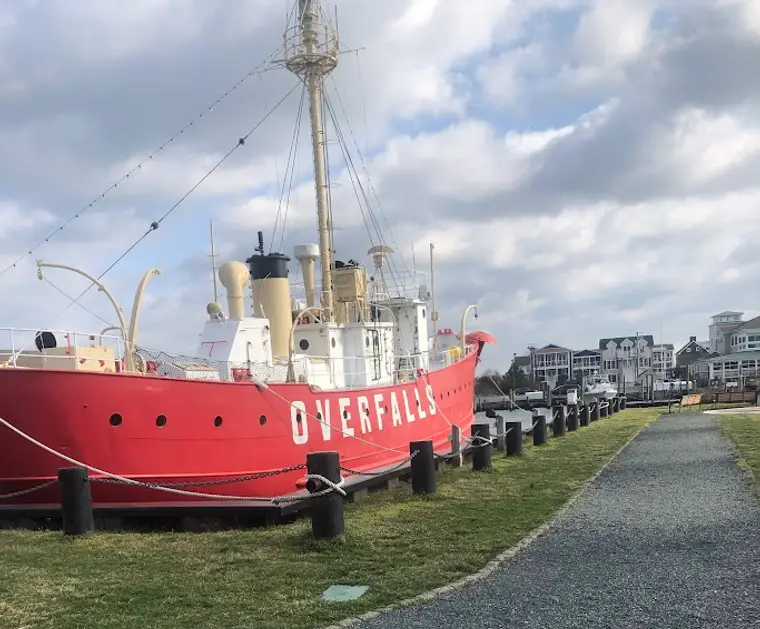
The lightship Overfalls at Canalfront Park, built in 1938 and one of the last of its kind. This spot on the Lewes and Rehoboth Canal has been the middle of town since the first Dutch boats landed here in 1631.
The First Town in the First State, and the calm end of the ferry from Cape May. An old whaling and pilot town that a British squadron once shelled for 22 hours and that stayed exactly the size it wanted to be.
Last Updated: August 31, 2026
Lewes sits where Delaware Bay meets the Atlantic, at the northern end of the Delaware beaches. From New Jersey you come across on the Cape May ferry. From everywhere else you drive down Delaware Route 1. The times below are rough door to door.
Lewes goes back further than any other town in Delaware, which is why the license plates and the welcome sign both call it the First Town in the First State. In 1631 a small group of Dutch whalers built a walled settlement here on the bay and named it Zwaanendael, which means Swan Valley. Within a year every one of them was dead after a dispute with the Lenape, and the buildings were burned. The site was resettled, changed hands between the Dutch, the Swedes, and the English more than once, and took the name Lewes, after a town in Sussex, around 1685, once William Penn held the land.
For the next two centuries Lewes made its living off the water in the plainest way. It was a pilot town. The captains who knew the shoals and the channel of Delaware Bay lived here and rowed out to bring the big ships up to Philadelphia and Wilmington. Delaware Bay pilots still work out of Lewes today. There is a small Dutch style building, the Zwaanendael Museum, put up in 1931 and modeled on the old town hall in Hoorn, that tells the 1631 story.
I come at Lewes from the water almost every time, off the Cape May boat, and the thing that strikes me is how little it performs. Cape May across the bay rebuilt itself into a Victorian stage set. Lewes just stayed a working town of a few thousand people with very old houses, and it is all the more restful for it.
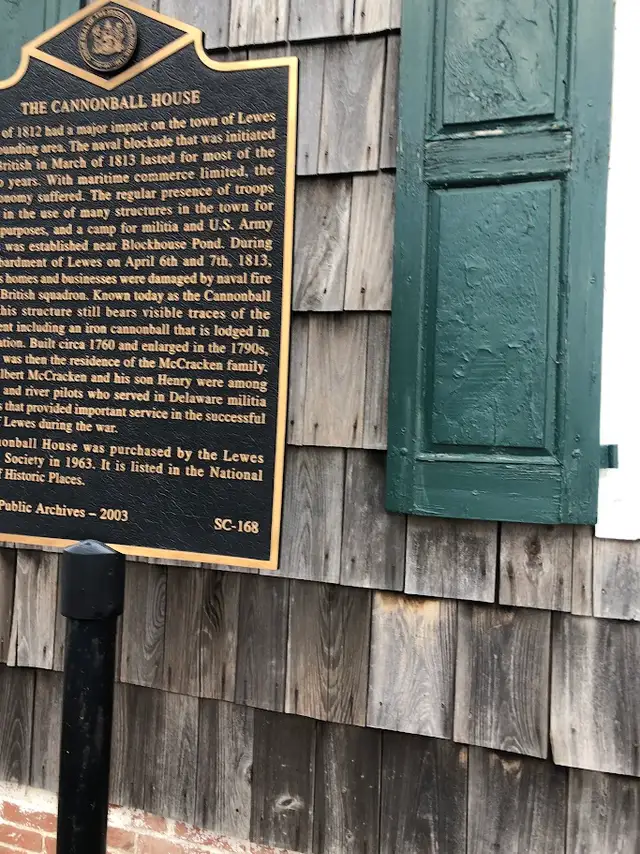
In the War of 1812 the Royal Navy blockaded Delaware Bay, and in the spring of 1813 a British squadron anchored off Lewes and demanded supplies. The town refused. On April 6 and 7 the ships shelled Lewes for something like 22 hours, firing hundreds of rounds into the streets. The damage was mostly to gardens and fences. Local accounts liked to say the only casualties were a chicken and a pig.
One house on Front Street still has an iron cannonball lodged in its foundation from those two days, which is why everyone calls it the Cannonball House. It was built around 1760, and today it holds the Lewes Maritime Museum. The whole episode is the town's favorite story, and it is told on markers all over the historic district.
The Lewes and Rehoboth Canal runs right through the middle of town, and the three acres of grass along it near Front Street are Canalfront Park. It has been the center of Lewes since the first Dutch boats pulled up here in 1631, and since 2010 it has been a proper park again, with a marina, benches, and events through the summer.
Moored on the grass is the Overfalls, a lightship built in 1938. Lightships were floating lighthouses, anchored where the water was too deep or too soft to build a tower. This one is one of only a handful left in the country, restored by volunteers and open for tours in season. When I drive down to Ocean City, Maryland, which I still do some summers, Canalfront Park is my standard halfway stop. I get out, walk the length of the canal, look at the red boat, and get back in the car in a better mood.
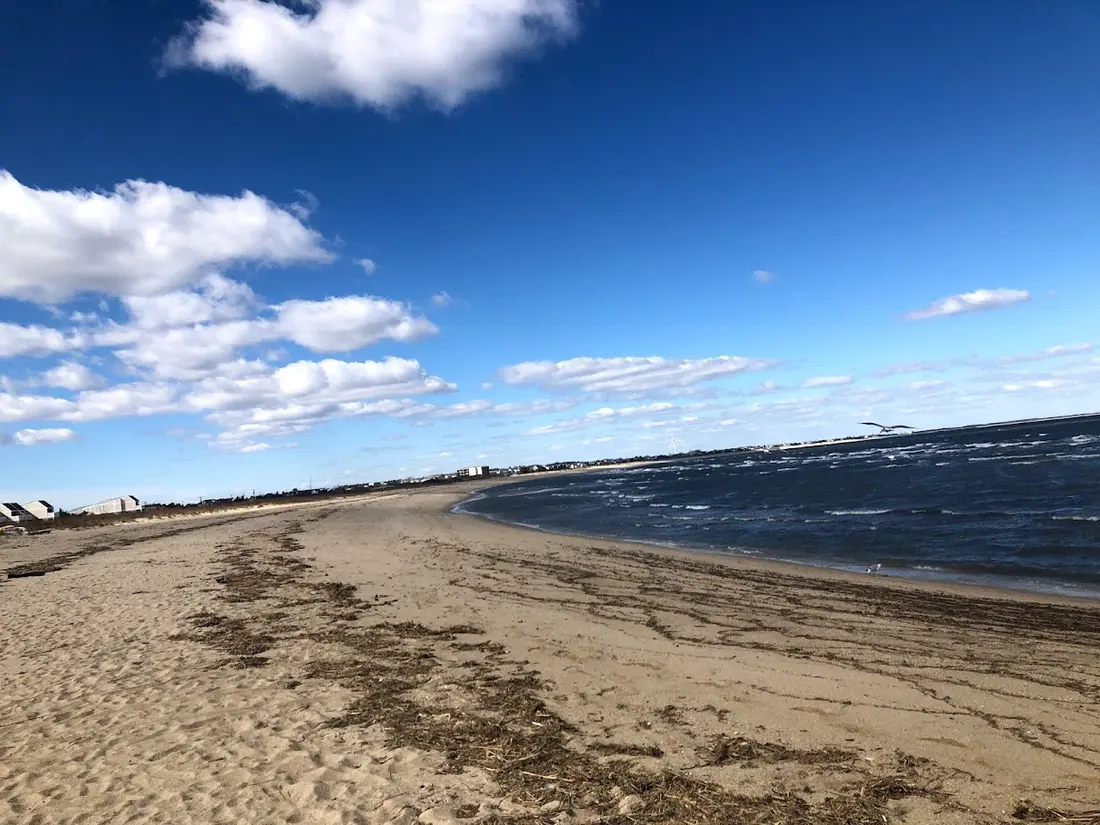
Just east of town, where the land hooks out into the water, is Cape Henlopen State Park, about 5,000 acres of dune, pine, and beach. The tip of the hook, called the Point, has the bay on one side and the open Atlantic on the other, and in summer part of it closes so the piping plovers can nest. It is one of the best stretches of undeveloped shore between here and the Outer Banks.
The dunes are also full of concrete. During World War II this was Fort Miles, built to guard the entrance to Delaware Bay against German U-boats, with heavy guns hidden inside the sand and tall spotting towers up and down the coast. One of the bunkers, Battery 519, is now a museum, and you can climb a restored fire control tower for the view. It is a strange, good combination, a nature preserve wrapped around a decommissioned coastal fort.
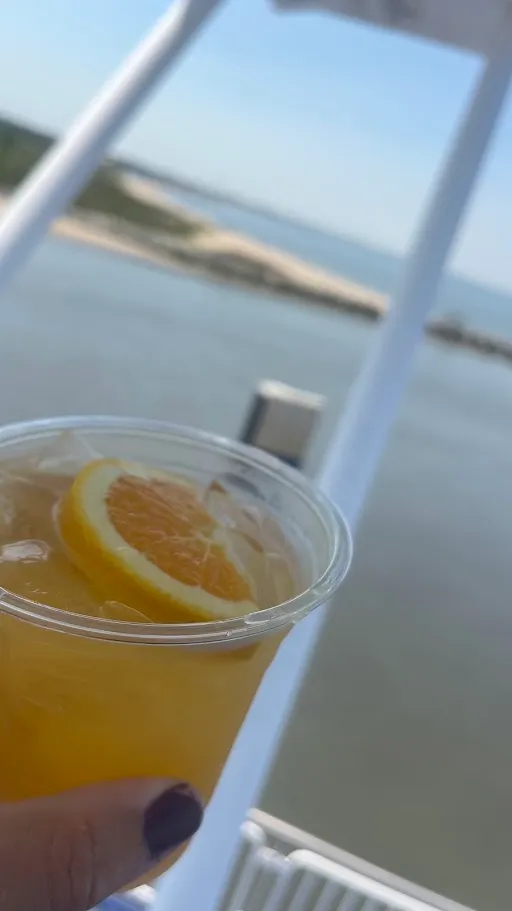
The Cape May to Lewes ferry has run since 1964. It crosses the 17 miles of open water at the mouth of Delaware Bay in about 85 minutes, carries cars and foot passengers, and has a bar on board and a bar at each terminal. Coming from the Jersey side it is easily the best part of the trip. I get an orange crush and watch the Cape Henlopen dunes come up over the bow.
Lewes is also a trail town. The Georgetown to Lewes Trail, a flat rail trail, starts near the ferry terminal and runs into the historic district and then west for about 11 miles. The Junction and Breakwater Trail carries on 6 miles the other way, through Cape Henlopen to Rehoboth Beach. I once walked in from the ferry along the Georgetown trail on a genuinely brutal July afternoon to have lunch at the Wheelhouse, and by the walk back I was fairly sure I was melting. The food and the view were worth it. Bring water, or bring a bike.
Late spring and early fall are the sweet spot, roughly the back half of May into June, and then September into October. The water and Cape Henlopen are open, the weather holds, and the town is quiet enough to get a table and a parking spot without a plan.
Summer is busier, though Lewes still runs several notches calmer than Rehoboth down the road, which is part of why people pick it. Winter is genuinely sleepy. The ferry keeps running all year, some of the restaurants close, and the historic district is a nice cold walk if you dress for the wind off the bay.
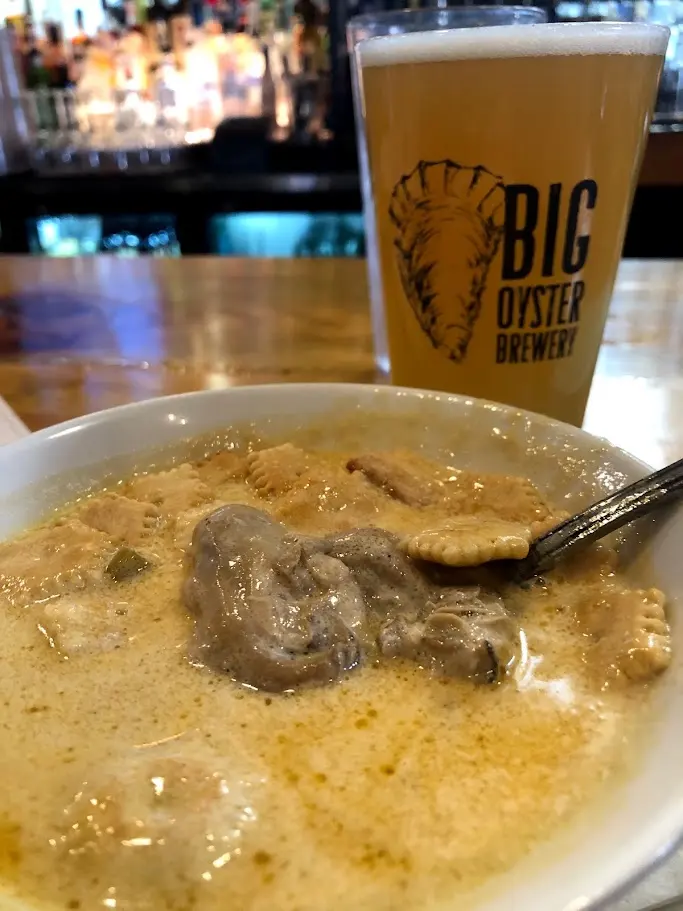
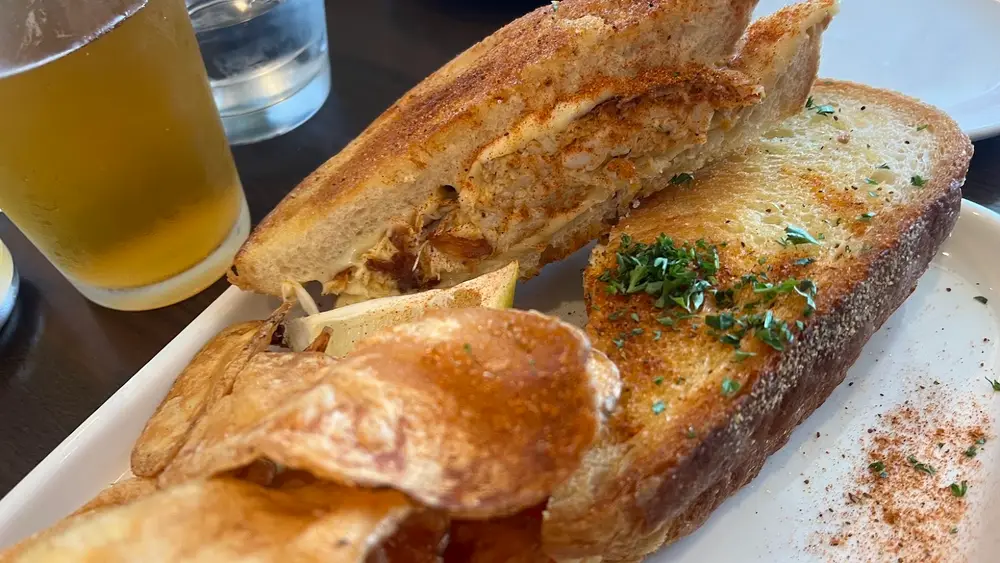
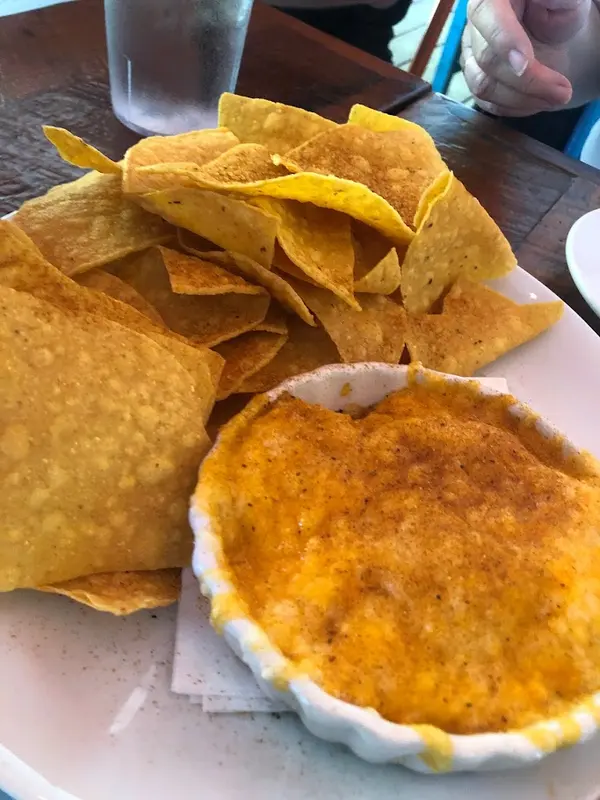
For a town this small, Lewes has two good breweries and both do real food. Big Oyster Brewery, in a big red barn on Kings Highway, has been open since 2015 and leans into the raw bar and the seafood. Their oyster soup, a rich creamy oyster stew, is the thing I order every single time, so go there hungry for that. Crooked Hammock Brewery, also from 2015, is more of a backyard, with fire pits, hammocks, cornhole, and a kitchen that turns out crab dip and a very good crab melt. One is a proper dinner, the other is an afternoon.
On the canal at the marina, the Wheelhouse does a Key West kind of menu, fish tacos, a raw bar, a rum bar, and a deck built right at the water. This is the place I walked across town in the heat for, and the plate of food with the boats going by behind it did in fact justify the sunburn.
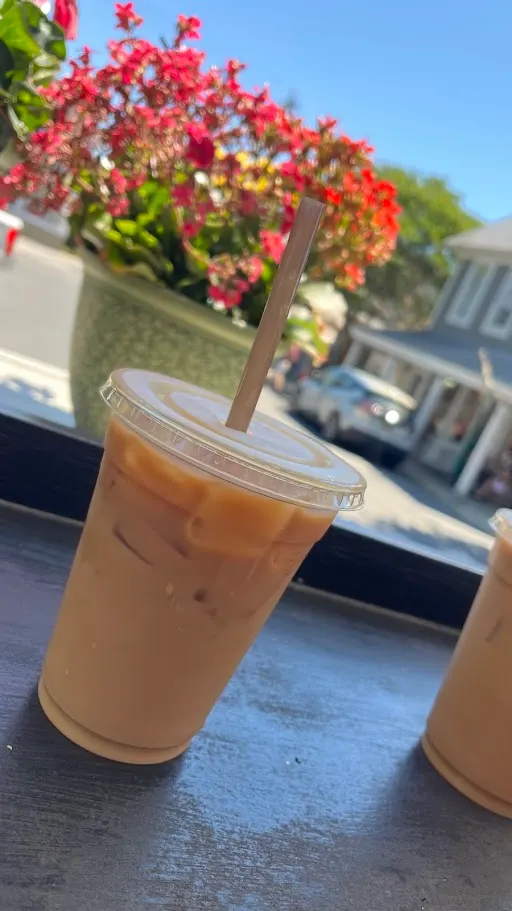
For the morning, the Lewes Bake Shoppe and Notting Hill Coffee Roastery on Second Street roasts its own beans and puts out a full case of pastry. I get an iced coffee and something with almond in it and take a seat by the window. It is the right first stop before you walk the historic blocks.
The bottom line: Lewes is the oldest town in Delaware and it wears it lightly. Take the ferry over, walk the canal and the Cannonball House, spend a day at Cape Henlopen, have the oyster soup at Big Oyster, and use it as the calm base for the Delaware beaches rather than fighting the crowds in Rehoboth. Come in June or September.
The essentials, at a glance.
The lightship Overfalls at Canalfront Park, built in 1938 and one of the last of its kind. This spot on the Lewes and Rehoboth Canal has been the middle of town since the first Dutch boats landed here in 1631.
Cape Henlopen out of season, near the stone breakwater. About 5,000 acres of protected dune and shore, with a decommissioned World War II fort, Fort Miles, buried in the sand.
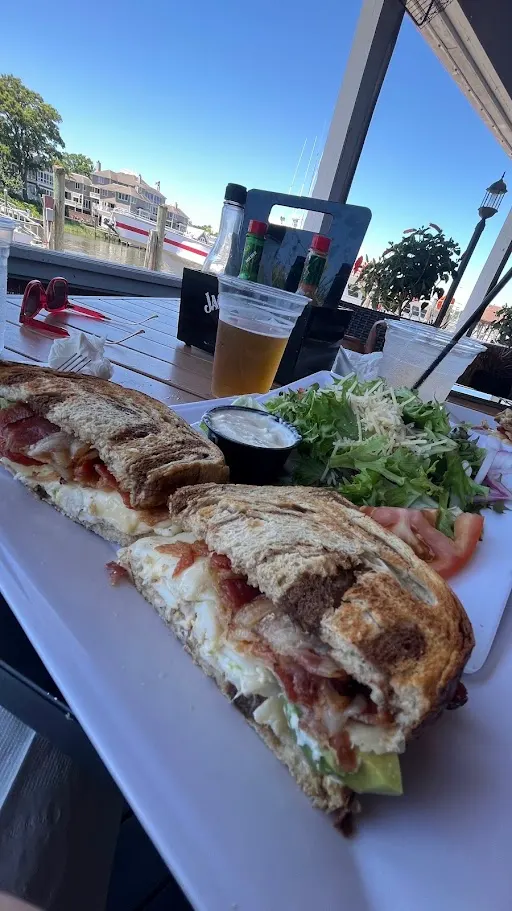
Lunch on the deck at the Wheelhouse, on the canal at the marina. This is what I walked across town in the July heat for, and the view of the boats behind the plate is the reason it was worth it.
If Cape May across the bay is Austen's Sanditon, the fishing village turned into a fashionable resort, then Lewes is the fishing village that Mr. Parker never got to. Same water, same bay pilots, 17 miles apart, and it simply stayed a small working town. That makes Lewes the better match for Persuasion, and specifically for Lyme. Austen sends her characters to Lyme out of season, when it is quiet and half shut, and she treats it as the honest place, the one where people stop performing. Anne Elliot is more herself walking the seawall at Lyme than she ever is in the drawing rooms of Bath. Lewes has that same register. It is an old town with a stone breakwater and a naval past that never turned itself into a show, and it is restful in exactly the way Austen means when she takes the party out of the resort and down to the shore.
The second thread is the crossing itself. In Austen, a short journey between two places usually resets the characters, a carriage ride from town to an estate, a walk from a great house down to the sea. The ferry from Cape May to Lewes does that in a very literal way. You leave a pastel Victorian resort, you spend 85 minutes on open water with a drink, and you land in a plain old town where nobody is trying to impress you. The boat is the scene change.
The obvious next stop is the other end of the boat. Cape May, New Jersey is Lewes's sister town in spirit and its opposite in style, a whole Victorian resort that burned down in 1878 and rebuilt itself prettier. The two make a natural pair for a long weekend, one night on each side of the bay.
Up in Connecticut, Mystic is a bigger version of the same idea, a working seaport that became a museum of itself, lightships and tall ships included. And out on Martha's Vineyard, Oak Bluffs shows the other path Lewes could have taken, the camp meeting that turned into a resort. Lewes turns up on my running list of Austen settings and their Northeast doubles as the quiet counterweight to Cape May.
Don't Miss the Next One
New essays and travel guides don't run on a schedule, they go up when there's actually something worth saying. Subscribe and I'll let you know the moment one does.
Subscribe to the Newsletter →From New Jersey, the Cape May to Lewes ferry runs across the mouth of Delaware Bay, a 17 mile crossing that takes about 85 minutes and carries cars. By road it is roughly 2 hours south of Philadelphia on Delaware Route 1, about an hour and 40 minutes from Wilmington, and around 2 hours 15 minutes from Baltimore over the Chesapeake Bay Bridge.
Lewes calls itself the First Town in the First State. Dutch whalers founded a settlement here called Zwaanendael in 1631, which makes it the first European settlement in Delaware. Today it is known for Cape Henlopen State Park and its Fort Miles bunkers, the Cape May ferry, the lightship Overfalls on the canal, and being a quieter, older alternative to Rehoboth Beach a few miles south.
About 6 miles, or 15 minutes by car. You can also ride between the two towns on the Junction and Breakwater Trail, a 6 mile paved rail trail through Cape Henlopen State Park that is one of the nicest bike routes in Delaware.
Lewes Beach faces Delaware Bay rather than the open ocean, so the water is calm and shallow, which makes it good for young kids and for paddling. For ocean surf and dunes you go to Cape Henlopen State Park, just east of town, where the Point is a long sandy hook with the bay on one side and the Atlantic on the other.
The crossing is about 85 minutes, covering the 17 miles across the mouth of Delaware Bay between Cape May, New Jersey and Lewes, Delaware. The ferry has run since 1964, carries both cars and foot passengers, and has a bar on board as well as bars at both terminals.
Late spring and early fall, roughly May into June and again in September and October. The weather is warm, Cape Henlopen and the water are open, and the town is far calmer than midsummer. July and August are busy but still less hectic than Rehoboth. In winter the town is quiet, though the ferry runs all year and the historic district is pleasant to walk.
Pin this guide for your next trip to Lewes!
Pin ItNot seeing a pin ready to save? Follow along for more here: Emma Shorebreak's Northeast Travel board on Pinterest
More of Lewes, and wherever the next boat takes me, over on Instagram.
Follow @emmashorebreak →