The Real Regency Dances Behind Dance with Mr. Darcy
By Emma · August 27, 2026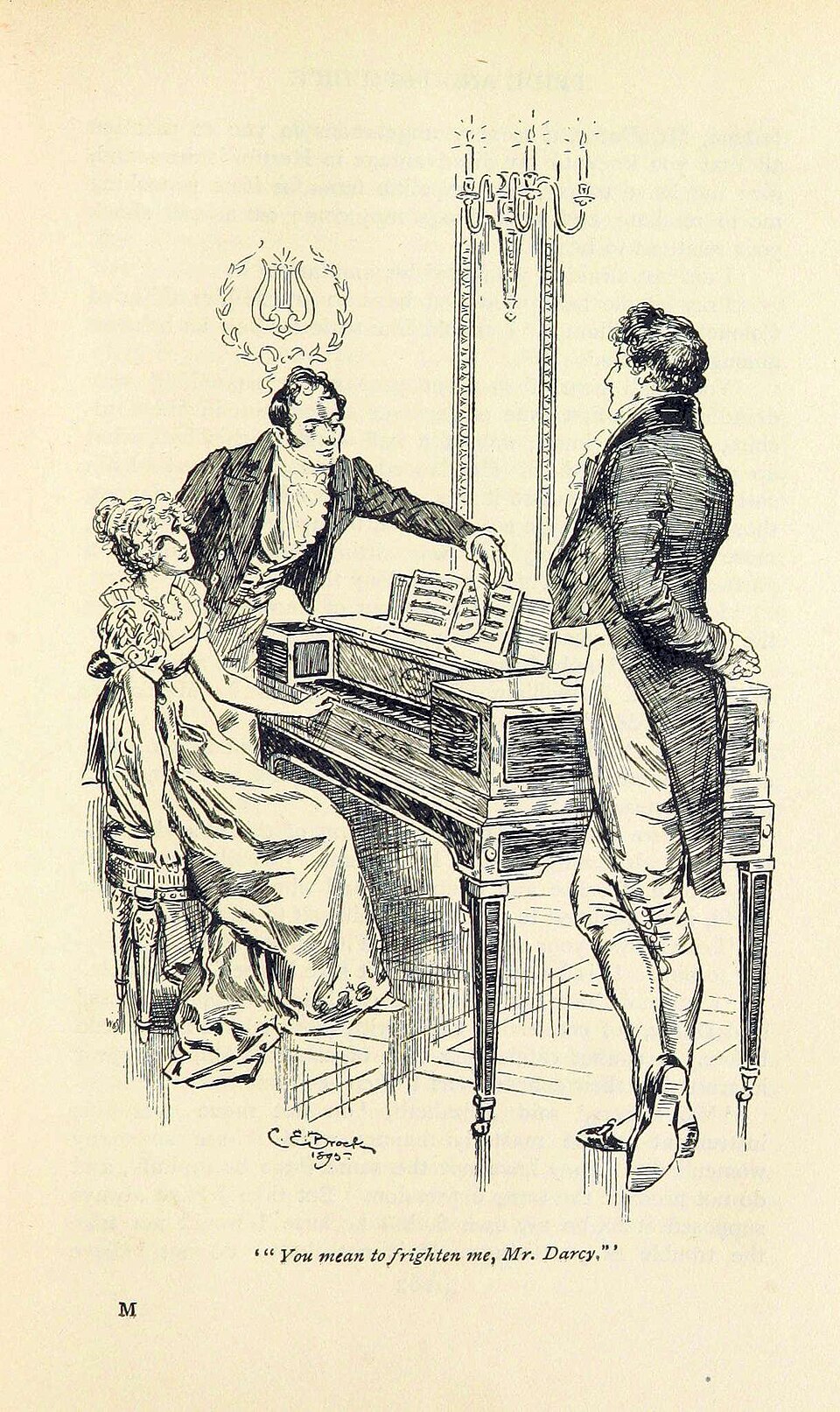
When I built Dance with Mr. Darcy, I refused to fill it with generic ballroom music. Every tune in that game is a real English country dance with an actual paper trail, decades or centuries older than the novel it's dancing through. Grimstock, Mr. Beveridge's Maggot, Shrewsbury Lasses, and the Tythe Pig weren't picked because they sound vaguely old-timey. Each one has its own real history, and 3 of the 4 already made it onto screen in an actual Pride and Prejudice adaptation before I ever touched them. Here's what they are, where they came from, and which film or series used each one first.
I did something similar with the pianoforte game, which pulls its whole setup, Elizabeth playing while Darcy and Colonel Fitzwilliam watch her, straight out of chapter 31. Music was never going to be a throwaway detail on this site. Might as well get the history right while I'm at it.
Grimstock, the Antique of the Set
Grimstock is the oldest of the 4 tunes by a wide margin. It's printed in John Playford's The Dancing Master, first published in 1651, more than 150 years before Austen wrote a word of Pride and Prejudice. It's also one of the most durable dances in that collection, still being reprinted across nearly 2 decades of Playford editions long after newer dances had come and gone.
In the 1995 BBC adaptation, Grimstock shows up in episode 2, at an informal evening at the Phillips' own house rather than a proper ball. That's a sound instinct on the production's part, even if the specific tune wasn't period-accurate. A smaller gathering with fewer couples calls for something plainer than a showpiece, and Grimstock, tuneful without being flashy, fits a lower-stakes room.
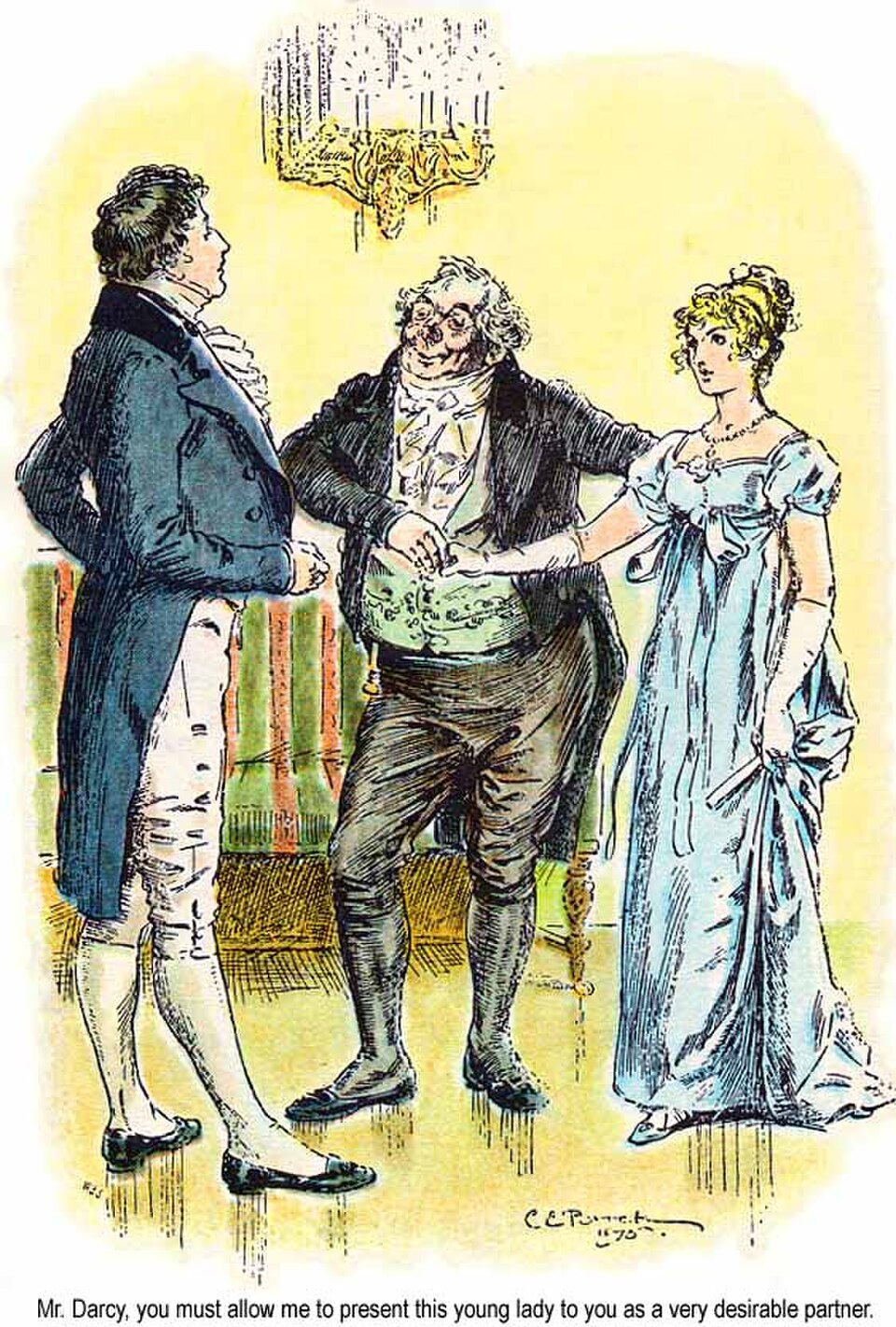
None of these 4 dances would have actually been danced during Austen's own lifetime, and that's a detail I love more than I probably should. By 1813, when Pride and Prejudice was published, tunes from Playford's era had been out of fashion for close to a century, the country-dance equivalent of a wedding band playing sheet music from the 1880s. Costume dramas reach for them anyway because they read as old English on screen. Sounding old and being accurate turned out to be 2 separate jobs, and no one making these adaptations was ever really trying to do the second one.
Mr. Beveridge's Maggot, and What a "Maggot" Actually Is
This is the tune people always ask me about, mostly because of the word sitting in the middle of its name. In 16th and 17th century dance titles, a maggot wasn't the insect. It meant a whim, a fancy, a small personal indulgence, possibly borrowed from the Italian maggioletta, a little May-song. Composers used the word almost like a dedication. Draper's Maggot, Hare's Maggot, Jack's Maggot, Mr. Isaac's Maggot, each one was likely written for or named after a real, specific person, a small musical compliment rather than an insult. History doesn't record much about the actual Mr. Beveridge, but the naming convention tells you he was somebody's dancing master, patron, or friend worth flattering.
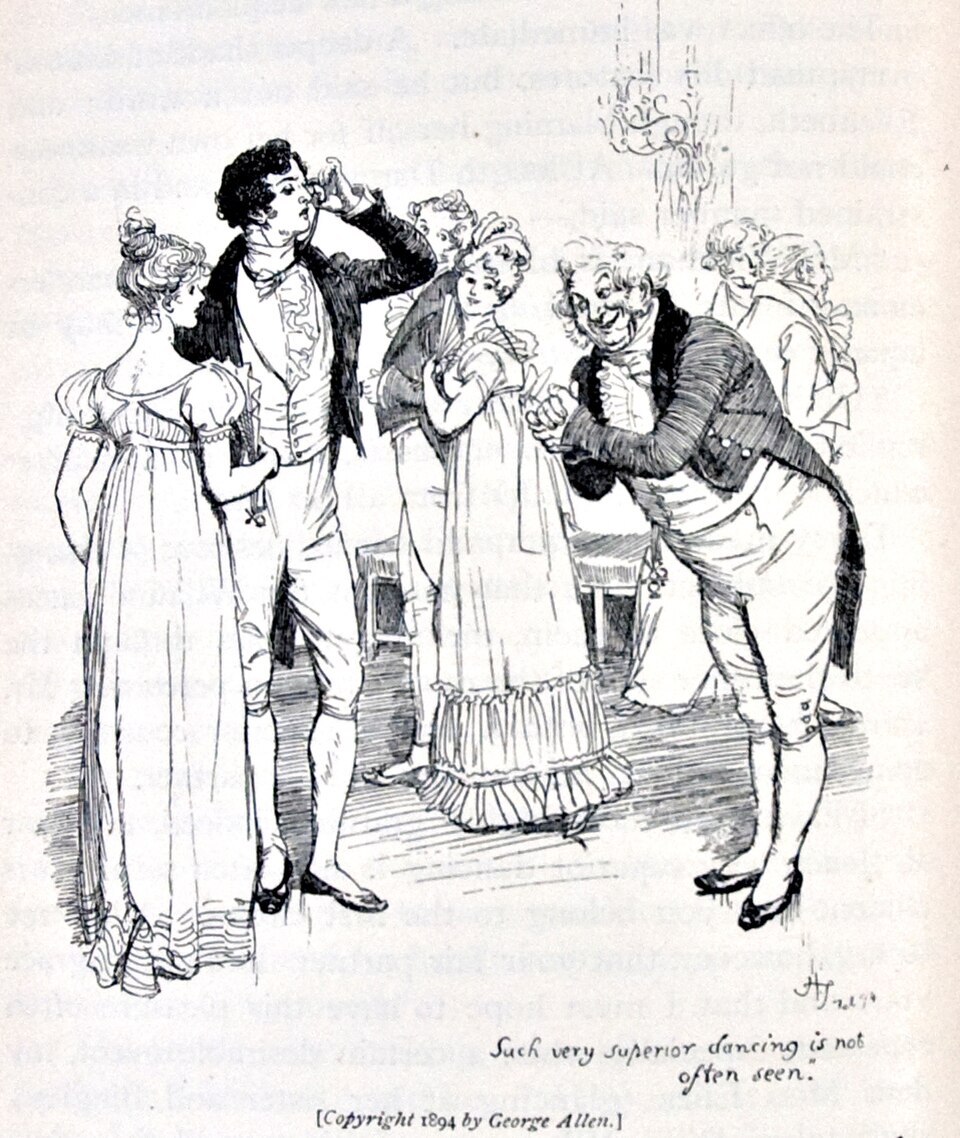
The tune itself dates to the late 17th century, and it earned its lasting fame the same way the Tythe Pig would later on, by landing in one unforgettable scene. In the 1995 BBC series, Mr. Beveridge's Maggot is the first dance between Elizabeth and Darcy at the Netherfield ball, the one where they hold perfectly correct dance-set distance while trading some of the sharpest, tensest dialogue in the entire adaptation.
I'll admit this one gets me every time, and it has nothing to do with the musicology. That scene is the reason Mr. Beveridge's Maggot will always sit differently in my chest than the other 3 tunes in this game. Even reduced to a simple browser rhythm track, hearing it start still does something to me, which is an unreasonable amount of feeling to have about a 300-year-old tune named for a stranger's minor whim, but here we are.
Shrewsbury Lasses, and a Common Mix-Up
Shrewsbury Lasses gets filed under "Playford dance" constantly, and it isn't one. It's younger than Grimstock and Mr. Beveridge's Maggot by more than a century, written by Peter Thompson and published in his Twenty-Four Country Dances in 1765. It turns up again in Thompson's later Compleat Collection and in modern reconstructions like The Playford Ball, which is probably where the mix-up started, since the two collections tend to get shelved together in most country dance libraries.
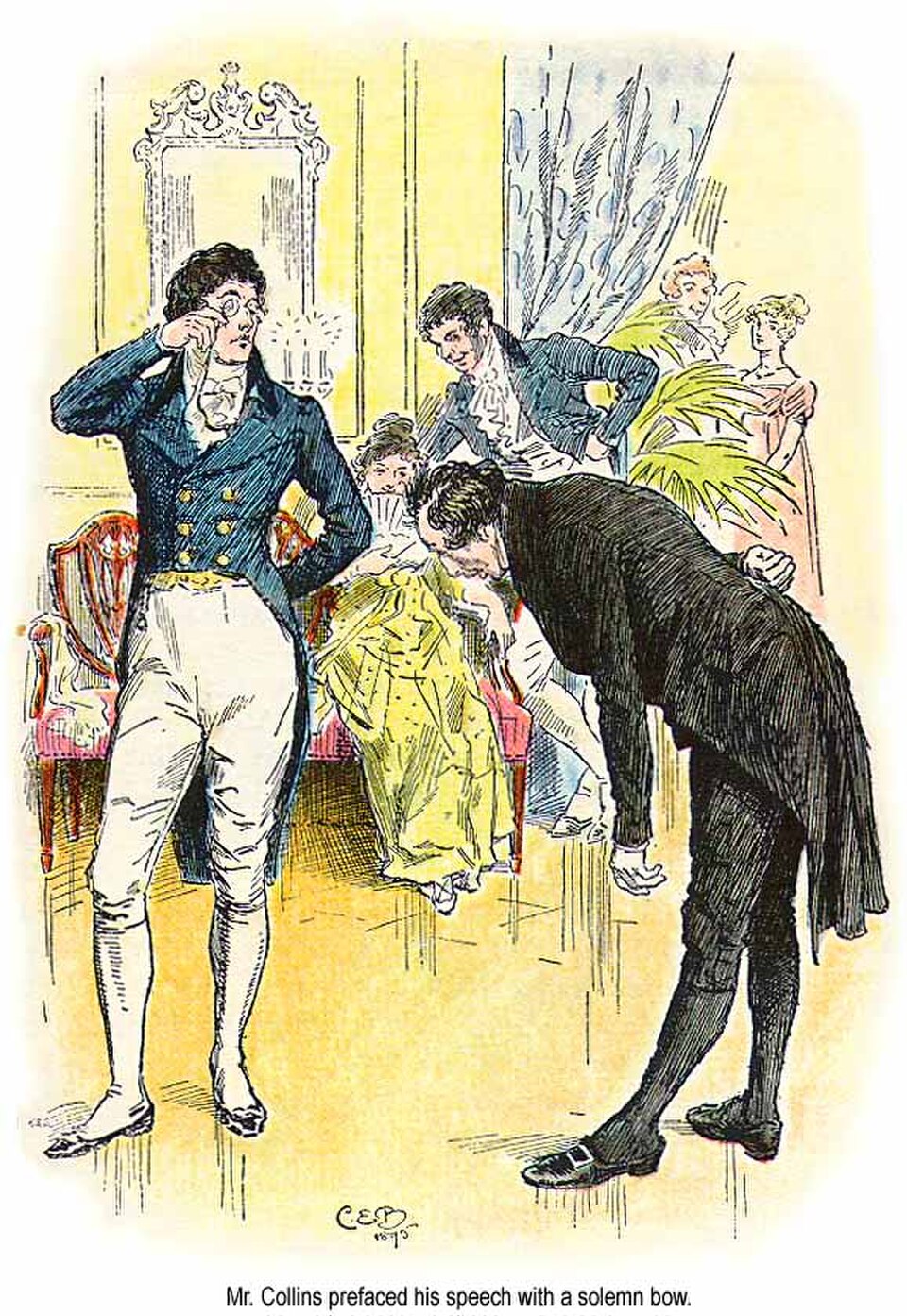
In the 1995 adaptation, Shrewsbury Lasses is also danced at the Netherfield ball, and it's the tune underneath one of the funniest minutes in the whole miniseries, Mr. Collins partnering Elizabeth with the stiff, over-formal energy of a man who has genuinely never once been told no in his life.
I'll be honest, I don't have a deep reason for loving this one. It's just fun. Brisk, a little bouncy, over almost before it starts, and it happens to be attached to the single most secondhand-embarrassing dance in Austen adaptation history. Sometimes a tune earns its spot in the game on vibes alone, and Shrewsbury Lasses earned it.
The Tythe Pig, and the Tax That Named It
A tythe, spelled tithe today, was a church tax going back to 9th century England, a required tenth of whatever a household produced, handed over in kind rather than in cash. Grain, wool, livestock, whatever the tithe-payer actually had that year. That's the whole joke sitting inside the title. The Tythe Pig isn't a whimsical name, it's a literal one, a pig turned over because a pig was what happened to be owed.
The dance itself dates to 1695, and it got its big-screen moment in the 2005 film, used for the Meryton Assembly, the very first ball of the movie. The choreography shifts the original figure slightly, more of a double figure eight than the original lead-up-and-cast, but it's still recognizably the same tune underneath. Here's the detail I love most out of all four of these: the 2005 soundtrack doesn't credit it as the Tythe Pig anywhere. On the album, it's listed as "Meryton Townhall," a scene-specific title standing in for a 330-year-old dance most listeners will never realize they've heard.
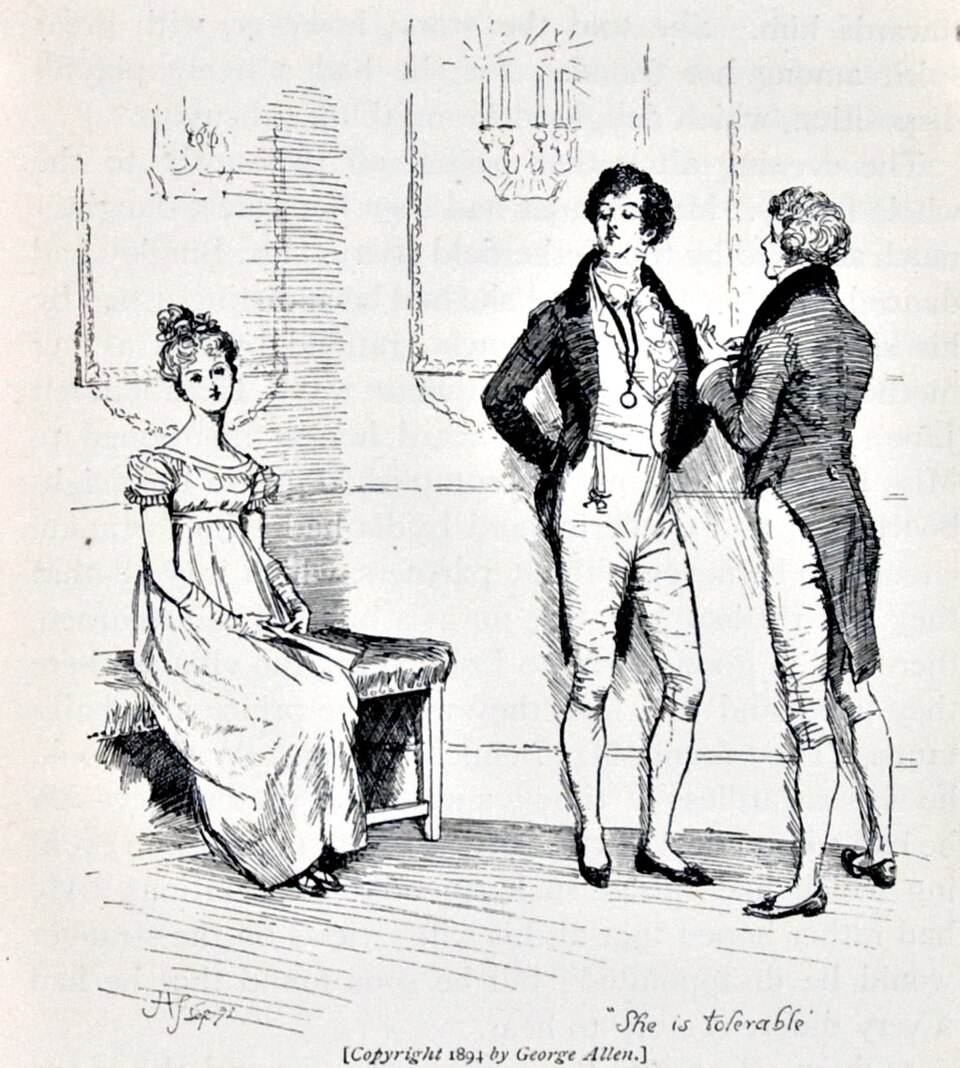
Knowing where a tune actually comes from doesn't change how the games play. It just changes how they land. A pig handed over to a tax collector, a stranger's minor whim, a family's ordinary evening at home, a mix-up between 2 different centuries of dance manuals, all of it is still sitting quietly under the music every time you open either game. If you want to hear all 4 for yourself, or find out whether your pianoforte skills would survive Lady Catherine listening to you, the full lineup of parlor games is always open.
Hear All 4 Tunes Yourself
Grimstock, Mr. Beveridge's Maggot, Shrewsbury Lasses, and the Tythe Pig are all playable right now in Dance with Mr. Darcy. Elizabeth's pianoforte scene has its own game too.
Don't Miss the Next One
New essays and travel guides don't run on a schedule, they go up when there's actually something worth saying. Subscribe and I'll let you know the moment one does.
Subscribe to the Newsletter →More of the Whole Parlor Game Lineup
Whist, character quizzes, and everything else lives on one page, in case dancing and pianoforte aren't enough Regency accomplishment for one afternoon.
See All the Parlor Games →