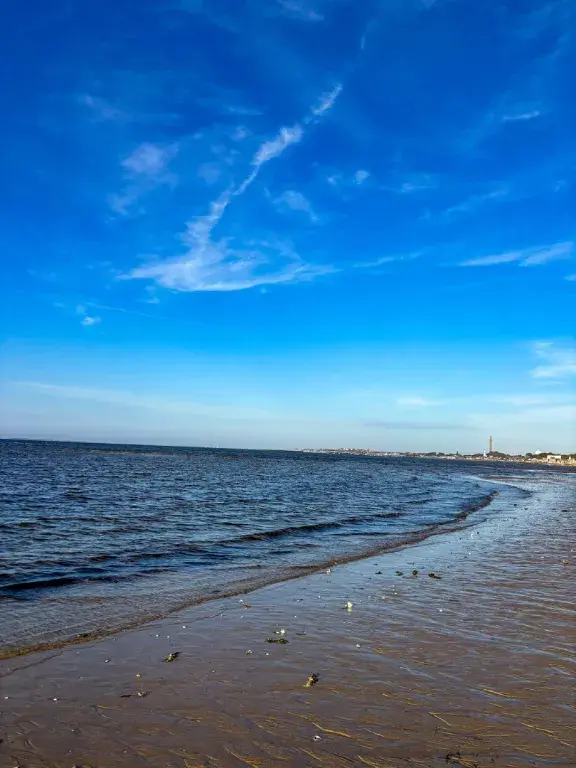
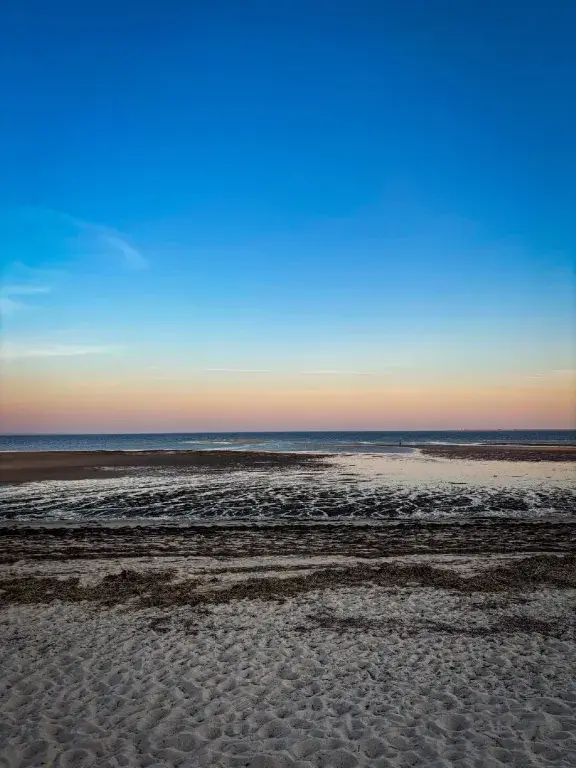
Harbor views in spring, and a snow-quiet outer Cape in the dead of winter.
Last Updated: August 20, 2026
Getting to Provincetown
Approximate driving distance and time via major highways, for planning purposes only.
From Philadelphia, PA (City Hall)
6 hr 50 min
~390 miles
From New York City, NY (Times Square)
5 hr 30 min
~300 miles
From Boston, MA (Faneuil Hall)
2 hr 15 min
~120 miles
A Short History of Provincetown
I didn't know the Pilgrims stopped here before Plymouth until I first visited Provincetown. The Mayflower actually anchored in Provincetown Harbor first, in November 1620, and the Mayflower Compact, the document that laid out how the colony would govern itself, was signed aboard the ship right there, more than a month before anyone set foot on Plymouth Rock. The town wasn't formally incorporated until 1727, and for roughly two centuries after that it built its living almost entirely on the water. Portuguese families, most of them from the Azores, arrived through the 1800s to work the whaling boats and later the fishing fleet, and their descendants still make up a real part of the year round population today.
A severe storm in 1898 wrecked much of the fishing fleet, and the town needed a new way to make a living. It found one almost by accident, and it's the reason Provincetown looks the way it does today.
From Fishing Village to Arts Colony
Painters started showing up not long after that storm, drawn by the same harbor light that still makes the town easy to fall for. Charles Hawthorne opened an art school here in 1899, and by 1916 the Boston Globe was calling Provincetown the biggest art colony in the world. A theater group called the Provincetown Players formed in 1915 out of a fishing shack turned playhouse, and their early productions gave a young, mostly unknown playwright named Eugene O'Neill his start. He went on to win four Pulitzer Prizes and, in 1936, the Nobel Prize in Literature. I think about that a lot when I'm wandering the same streets he would have walked, a whole literary career that started in a converted fish shack.
Provincetown's LGBTQ+ History
Queer artists and writers were part of Provincetown's creative scene from early on, and that presence only grew through the century. Gay tourism picked up noticeably by midcentury and accelerated hard through the 1970s, and today Provincetown is one of the oldest and most established LGBTQ+ resort towns in the country. Carnival Week in August and Women's Week in October are full calendar fixtures now, and walking Commercial Street during either one tells you most of what you need to know about why this town holds the reputation it does.
Best Time to Visit Provincetown
Summer is Provincetown at full volume. Commercial Street fills in, restaurants run waitlists, and the harbor stays busy with whale watch boats and ferries. If you want that energy, June through August delivers it. September and October trade some of the crowd for better restaurant availability and water that's still warm enough to swim in, and Carnival Week in August or Women's Week in October are worth planning around if either interests you. Winter is a different town entirely, a lot of shops closed for the season, streets gone quiet, and beaches you'll likely have to yourself. I've visited in spring, fall and deep winter, and honestly prefer the off season for exactly that trade.
Where to Eat and Shop on Commercial Street
Commercial Street curves along the harbor for about a mile and a half, and nearly everything worth doing in town sits somewhere along it. Fanizzi's, right on the water, is my go to for lunch. Ciro & Sal's does genuinely amazing Italian, and it's also where Anthony Bourdain's real kitchen career took shape, a detail that's getting a lot more attention now that Tony, a movie about his time cooking in Provincetown, is coming out this week. The Squealing Pig has never once let me down, especially their oysters.
The Canteen might be my favorite for pure vibes, a beach to actually sit on in summer, a Christmas market in the off season, seriously dog friendly, and the food holds up too, not just the atmosphere. Spiritus Pizza, the late night institution since 1971, is fine, more of a tradition than a destination at this point. For breakfast, the Provincetown Portuguese Bakery is essential, especially the malasadas, still made the way the town's Portuguese families have made them for generations. And John's Footlong, near the wharf, does some of the best clam strips in town for a price that doesn't feel like a summer tourist trap.
For something you can't eat, Marine Specialties at 235 Commercial Street has been Provincetown's go to army and navy surplus and oddity shop for more than 50 years, the kind of place where you walk in for nothing in particular and walk out with something you didn't know you needed.
The Bottom Line
The bottom line: Provincetown, or P-Town, is literally one of my favorite places to visit in the Northeast. You can't beat the scenery, the national park, the art scene and the food in this town.
Quick Facts
The essentials, at a glance.
Incorporated
1727
Main Street
1.5 mi
Commercial Street, along the harbor
Landmark
252 ft
Pilgrim Monument, completed 1910
Known For
Arts & LGBTQ+
One of the oldest of both in the US
Provincetown Through the Seasons
Provincetown Harbor in spring wakes slowly, fishing boats outnumbering tourists and the whole town still shaking off winter's quiet. A plate of fried fish and a frozen coffee, taken dockside, remain two of the simplest and most correct pleasures among the best things to do in Provincetown, MA before the summer crowds arrive.
Herring Cove Beach in a December snowfall is a scene few summer visitors ever witness, the dunes muted white, the Atlantic the color of steel, the entire outer Cape given over to a silence the tourist season never allows. It is, unexpectedly, one of the most beautiful reasons to visit Cape Cod in winter.
A winter walk along Provincetown's beaches, coat buttoned firmly against the wind, revealed a town entirely transformed from its summer self, shops shuttered, streets quiet, the ocean somehow louder for having no crowd to compete with. Winter, it turns out, has its own persuasive case for a Provincetown getaway.
Sunset at Herring Cove in winter, snow still dusting the dune grass, painted the sky in shades I have rarely seen replicated anywhere else on the Eastern Seaboard. It is a strong, quiet argument that the Cape Cod National Seashore deserves visitors in every season, not merely July.
Race Point Beach in the snow feels less like Massachusetts and more like the edge of the known world, its wide curving shore empty save for the gulls and the occasional fellow devotee of Cape Cod in the off season. It remains one of the most striking, least crowded beaches in Provincetown, MA to visit in winter.
Jane Austen never wrote about Provincetown, obviously, but she spent her final, unfinished novel writing about a town doing almost exactly what Provincetown did. Sanditon follows a small coastal village being deliberately remade into a fashionable resort by a man convinced that sea air and a little speculation could turn any sleepy harbor into a destination worth visiting. Austen never got to finish deciding whether that reinvention would succeed or embarrass everyone involved. Provincetown answered the question for her, a century later, without asking permission. A whaling port that lost its industry to a shifting economy and quietly remade itself first into an art colony, and later into one of the most welcoming towns on the entire Eastern Seaboard, is precisely the kind of transformation Austen was sketching out in Sanditon's unfinished pages, ambitious, a little theatrical, and ultimately about a place deciding who it wanted to become.
There's a second, smaller thread worth pulling on here too. Austen was no stranger to naming real English ports in her fiction, Plymouth turns up more than once in Persuasion, most notably as the place Captain Wentworth retreats to when he needs distance to think. It's a practical detail, but it says something about how Austen used real coastal geography as a kind of emotional shorthand: certain harbor towns exist in her novels as places people go to reckon with themselves. Massachusetts' own Plymouth sits just up the coast, tied to this stretch of the shore by a history even older than Austen's Regency England, the Mayflower found this harbor first, in 1620, before ever reaching the town that would take its name. Two towns, one Austen actually wrote into her fiction, the actual English namesake, and one she never could have known existed, sharing both a coastline and a habit of being where people land before they figure out where they're actually going.
Continue Exploring Cape Cod and the Islands
Provincetown sits at the very tip of the Cape, which makes it an easy starting point for the rest of the peninsula and the islands beyond it. Wellfleet, about 20 minutes south by car, trades Provincetown's energy for oyster shacks and a quieter Outer Cape pace. Nantucket, reachable by ferry, is a different kind of Massachusetts coastal town altogether, cobblestone streets and old whaling money instead of Portuguese fishing heritage and gallery windows.
Other Art Colony and LGBTQ+ Friendly Towns
Provincetown isn't the only Northeast town that grew an art colony and an LGBTQ+ friendly reputation out of the same soil. New Hope, Pennsylvania pulled in the Pennsylvania Impressionists in the early 1900s and has been a known LGBTQ+ sanctuary since the 1950s. It was the first borough in the state to pass an ordinance banning discrimination against LGBTQIA+ residents in housing and employment. Asbury Park, New Jersey tells a similar story on the Jersey Shore, a faded beach town that queer residents and artists brought back to life starting in the early 2000s. Neither one looks much like Provincetown on the surface, but the underlying pattern, art and acceptance rebuilding a town that lost its original industry, shows up in all three.
Don't Miss the Next One
New essays and travel guides don't run on a schedule, they go up when there's actually something worth saying. Subscribe and I'll let you know the moment one does.
About 120 miles by car, roughly 2 hours 15 minutes without traffic. A passenger ferry also runs seasonally from Boston Harbor and takes about 90 minutes, often the faster and less stressful option in summer.
Is Provincetown Dog Friendly?
Yes. Many shops and outdoor restaurant patios welcome dogs, and Herring Cove Beach allows leashed dogs outside the busiest summer restrictions. Always check current seasonal rules before you go, since beach dog policies shift by month.
How long is Commercial Street?
About a mile and a half, running along the harbor through the center of town. Most shops, restaurants, and galleries sit within the middle stretch, so you don't need to walk the whole length to see the best of it.
Do you need a car in Provincetown?
Not once you're there. The town center is entirely walkable, and a seasonal shuttle covers the beaches and outlying areas. You will want a car, or the ferry, to actually get to Provincetown in the first place, since it sits at the very end of the Cape.
What is the best time to visit Provincetown?
June through August for the full, busy version of the town, or September and October for a quieter version with better restaurant availability. Winter is quiet and beautiful in its own way if solitude is what you're after, though many shops close for the season.
Is there parking in Provincetown?
There is, but it's limited and paid in the town center during the season. Municipal lots fill early on summer weekends, and most visitors find it easier to park once and walk or use the seasonal shuttle for the rest of the day.
Pin this guide for your next getaway to Provincetown!